De Minimis Thresholds in 2026: Where Low-Value Parcels Still Enter Duty-Free
The US $800 exemption is suspended, the EU charges €3 per item on parcels under €150 and the UK, Canada and Australia keep their thresholds. Country-by-country rules for e-commerce sellers, checked October 2026.
By Dawid · Published 20 March 2026 · Facts checked 3 October 2026 · How we source rates
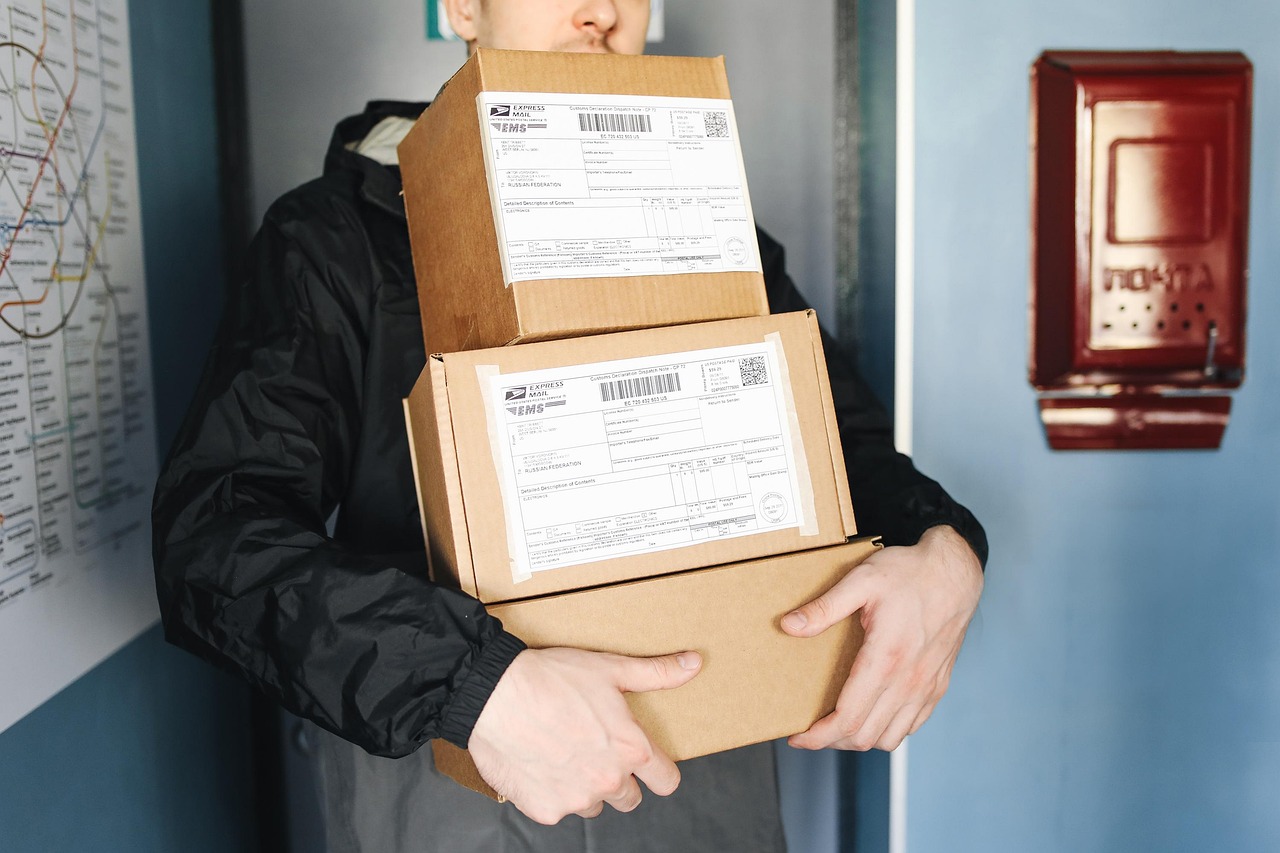
Short answer (October 2026): the United States no longer has a de minimis — every parcel needs an entry and pays duty, whatever its value or origin. The EU still waives normal duty below €150 but charges a flat €3 duty per tariff heading on parcels sold to consumers since 1 July 2026, and VAT from the first euro. The UK (£135 for duty), Canada (CAD 20, or CAD 150/40 under CUSMA), Australia (A$1,000) and Japan (¥10,000) keep their thresholds.
De minimis is the shipment value below which customs does not collect duty, and sometimes tax. For a cross-border seller it decides whether a customer pays a surprise bill at the door, so the rules below are the ones to build prices and checkout around.
Thresholds at a glance
Values are per consignment unless noted. "Tax" is VAT, GST or the local equivalent.
| Market | Duty threshold | Tax threshold | Status in October 2026 |
|---|---|---|---|
| United States | None | No federal VAT | $800 exemption suspended for all countries since 29 Aug 2025 |
| European Union | €150 (but €3 flat duty per item) | None — VAT from €0 | €3 duty from 1 Jul 2026 to 1 Jul 2028 |
| United Kingdom | £135 | None — VAT from £0 | Seller or marketplace charges VAT at checkout |
| Canada | CAD 20 (CAD 150 under CUSMA) | CAD 20 (CAD 40 under CUSMA) | Courier shipments |
| Australia | A$1,000 | None — GST collected at checkout | Overseas sellers register for GST |
| Japan | ¥10,000 taxable value | ¥10,000 | Under review |
| South Korea | US$150 (US$200 from the US) | Same | Personal-use goods only |
| UAE | AED 1,000 | VAT may apply | Courier and personal shipments |
United States: the $800 exemption is gone
Section 321 of the Tariff Act let goods worth up to $800 enter without duty or formal entry. It was removed in three steps:
- 2 May 2025: goods of China and Hong Kong lost de minimis treatment.
- 29 August 2025: an executive order suspended it for every country.
- 24 June 2026: CBP wrote an indefinite suspension into its regulations, for mail and for all other modes, after Executive Order 14388 of 20 February 2026 continued the policy.
The statute itself is repealed from 1 July 2027 under the One Big Beautiful Bill Act, so the exemption will not come back without new legislation.
In practice every parcel now needs an informal entry (up to $2,500) or a formal entry, and pays the MFN rate plus every other layer that applies — the China Section 301 lists, the forced-labour Section 301 tariff of 10–12.5% that applies to most origins since 24 July 2026, and any Section 232 duty. Postal shipments go through a new postal informal entry process. The US tariff stack guide works through the layers with examples.
European Union: €150, but no longer duty-free
The EU has two thresholds that are easy to mix up:
- VAT: there is no threshold. VAT has been due from the first euro since July 2021, collected at checkout under the Import One-Stop Shop (IOSS) for goods up to €150, or at import.
- Customs duty: goods of €150 or less were exempt until 30 June 2026. Since 1 July 2026, Council Regulation (EU) 2026/382 applies a flat €3 customs duty to each different tariff heading in a low-value parcel sold to consumers, whatever the VAT scheme. Five T-shirts in one parcel pay €3; a T-shirt and a watch pay €6.
The €3 duty is temporary. From 1 July 2028, when the EU Customs Data Hub opens for e-commerce, normal duty rates apply to every parcel. The EU customs reform guide covers that change.
United Kingdom: £135 for duty, VAT from £0
Customs duty is waived on consignments worth £135 or less. Import VAT of 20% applies from the first penny: for parcels up to £135 the overseas seller, or the online marketplace, charges UK VAT at the point of sale and must be registered for it. Above £135, VAT and duty are collected at import, usually by the carrier, who adds a handling fee.
The UK government has consulted on ending the £135 relief; until it legislates, the threshold stands.
Canada: CAD 20, higher for CUSMA goods
Canada's general threshold is low: courier shipments worth CAD 20 or less pay no duty or tax. Goods that qualify under CUSMA and come from the US or Mexico by courier get higher limits — no duty up to CAD 150 and no GST/HST up to CAD 40.
Above those values the courier collects duty, GST/HST and a brokerage fee from the buyer, which is the most common source of "surprise fee" complaints on US-to-Canada orders. Sellers who ship DDP avoid it by charging the tax at checkout.
Australia: A$1,000, with GST at checkout
Goods worth A$1,000 or less clear without duty or a full import declaration. GST of 10% still applies: overseas sellers, marketplaces and redeliverers with Australian sales over A$75,000 a year must register and charge GST at checkout. Above A$1,000 the importer files a full import declaration and pays duty, GST and the import processing charge.
Asia and other markets
Japan: consignments with a taxable value of ¥10,000 or less are exempt from duty and consumption tax. For personal purchases, the taxable value is generally 60% of the retail price. The exemption is under review as Japan responds to the growth in low-value e-commerce.
South Korea: personal-use purchases up to US$150 (US$200 from the US under KORUS) are exempt; buyers need a Personal Customs Clearance Code.
UAE: consignments up to AED 1,000 are exempt from customs duty.
Brazil: under the Remessa Conforme programme, purchases up to US$50 pay 20% import tax and those up to US$3,000 pay 60% with a US$20 deduction, plus state ICMS.
Mexico and India: neither offers a meaningful exemption for commercial goods; courier imports pay simplified flat rates or the full duty stack.
What this means for your store
1. Selling into the US: price every SKU with duty included. With no de minimis, a $40 parcel from Vietnam pays MFN plus 12.5% forced-labour Section 301 at the border. Shipping DDP, or holding inventory in a US warehouse and importing in bulk, keeps the bill off your customer's doorstep.
2. Selling into the EU: register for IOSS. It lets you charge VAT, and the €3 duty, at checkout; without it, the carrier collects them plus a fee from the buyer.
3. Selling into the UK and Australia: register for VAT or GST once you pass the thresholds, and charge it at checkout.
4. Classify every product. Low-value parcels now need HS codes almost everywhere, and the code decides the duty. The HS code lookup gives a code with the reasoning, and the de minimis calculator checks a parcel against each threshold.
Thresholds in this guide were checked against CBP, the EU Council and national customs sources on 3 October 2026.
Related HS Code References