EORI Number: The Complete Guide for EU and UK Importers and Exporters
What an EORI number is, who needs one, how to get it in every EU country and the UK, and what happens if you try to import or export without one.
By Dawid · Published 10 April 2026 · How we source rates

An EORI number — Economic Operators Registration and Identification number — is mandatory for any business or individual importing goods into the European Union, exporting from the EU, or trading goods through the UK. Without one, your shipment will not clear customs.
Despite this, EORI numbers are one of the most overlooked requirements in cross-border trade. This guide explains exactly what an EORI is, who needs one, how to get one, and the post-Brexit complications that caught many businesses off guard.
What is an EORI number?
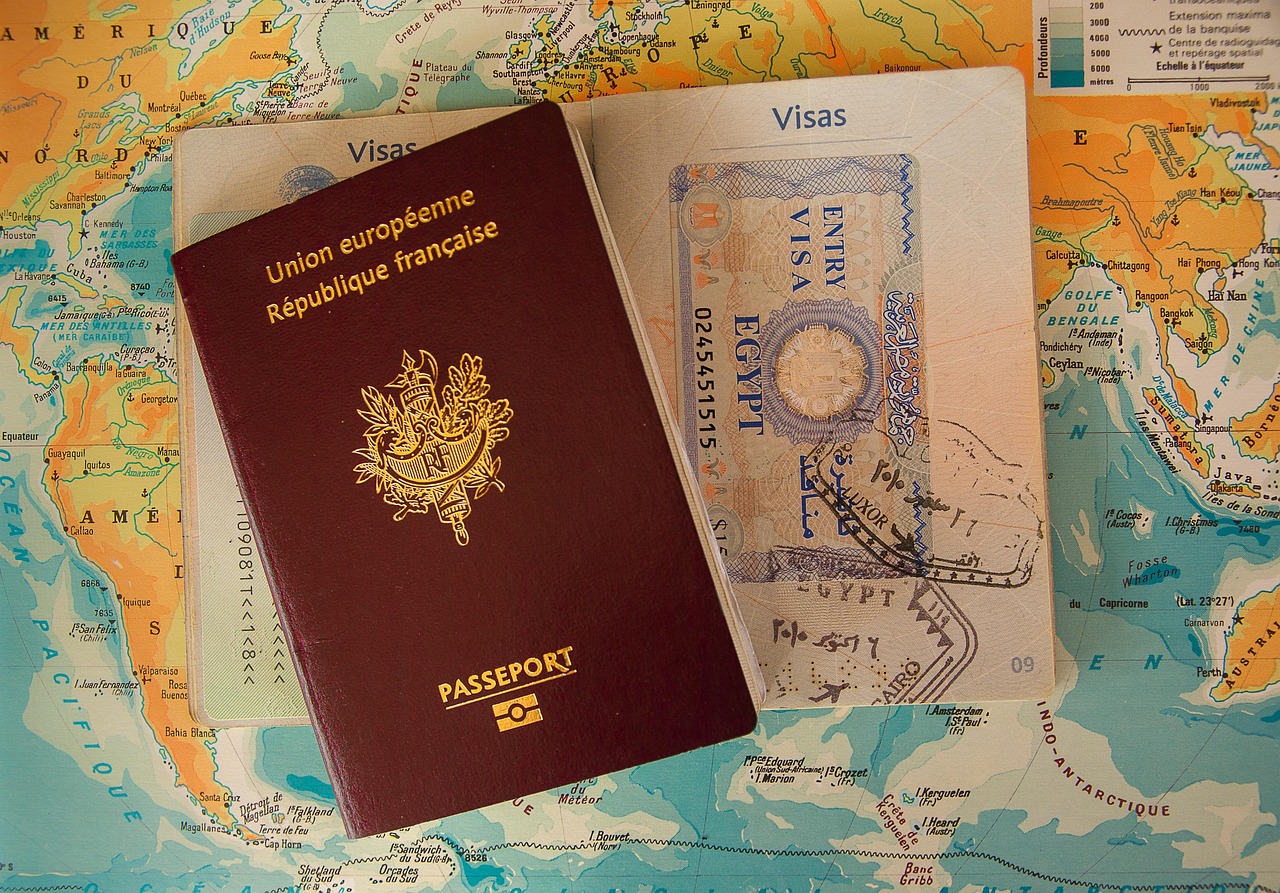
An EORI number is a unique identifier assigned to economic operators (businesses and individuals) for customs purposes in the EU and UK. It was introduced in 2009 to standardise how customs authorities track and identify importers and exporters across EU member states.
Before EORI, each member state had its own trader registration systems. An importer trading in Germany, France, and the Netherlands might have three different registration numbers across three different systems. EORI unified this into a single identifier valid across the entire EU.
The number is tied to your business (or you, if you're an individual) — not to a specific shipment or product. You register once and use the same EORI number for every import and export for the lifetime of your business.
EORI number format
An EU EORI number follows a standard format: the 2-letter ISO country code of the issuing member state, followed by a national reference number.
Examples:
- DE123456789 (Germany)
- FR12345678901 (France)
- PL1234567890 (Poland)
- NL123456789B01 (Netherlands — VAT-based)
The national part varies in length and format by country. German EORI numbers are 9 digits. French numbers are 11 digits. The country code prefix always identifies which customs authority issued the number.
UK EORI numbers (since Brexit) use the prefix GB:
- GB123456789000 (standard UK format)
- XI123456789000 (Northern Ireland — special status under the Windsor Framework)
A GB EORI is only valid for UK customs. An EU EORI is only valid for EU customs. A business trading in both markets needs both.
| Country | Format | Example | Where to register |
|---|---|---|---|
| Germany | DE + 9 digits | DE123456789 | Bundeszentralamt für Steuern (BZSt) |
| France | FR + 11 chars | FR12345678901 | Douane française (pro.douane.gouv.fr) |
| Poland | PL + 10 digits | PL1234567890 | Ministerstwo Finansów (puesc.gov.pl) |
| Netherlands | NL + VAT number | NL123456789B01 | Belastingdienst Douane |
| UK | GB + 12 digits | GB123456789000 | HMRC (gov.uk/eori) |
| Ireland | IE + 8 chars | IE1234567T | Revenue Commissioners |
| Spain | ES + 9 chars | ES12345678A | Agencia Tributaria |
| Italy | IT + 11 digits | IT12345678901 | Agenzia delle Dogane |
Who needs an EORI number?

In the EU, you need an EORI if you:
- Import goods into the EU from a non-EU country (even once)
- Export goods from the EU to a non-EU country
- Transit goods through the EU under a customs procedure
- Use customs warehousing, inward processing, or outward processing
- Act as a customs representative for third parties
In the UK, you need a GB EORI if you:
- Import goods into Great Britain from any country (including the EU)
- Export goods from Great Britain to any country (including the EU)
- Move goods between Great Britain and Northern Ireland in some circumstances
Who doesn't need an EORI:
- Individuals occasionally importing personal goods (below de minimis thresholds, not for commercial purposes)
- Businesses shipping entirely within the EU (intra-community B2B sales use VAT numbers, not EORI)
- Buyers of services (EORI covers goods only, not services)
Practically: If you're an e-commerce seller sourcing products from outside the EU (from China, the US, Turkey, etc.) and importing them for resale, you need an EORI. If you're a UK seller exporting to EU customers under DDP or DAP terms, you need an EU EORI or must use a customs representative in the EU.
How to get an EU EORI number
EORI registration is handled at the national level — each EU member state has its own customs authority and registration process. However, your EORI number is valid across the entire EU once issued.
General process:
1. Register with the customs authority of the EU member state where your business is established (or where you'll first import if you're not EU-based)
2. Provide your business registration details, VAT number (if applicable), legal address, and representative details
3. Receive your EORI number — usually within a few days, sometimes instant
If your business is not established in the EU:
You can register for an EORI in any EU member state. Choose the country where your goods will most frequently enter the EU, or where you have a customs agent or tax representative.
Documentation typically required:
- Certificate of business incorporation
- VAT registration certificate (if applicable)
- Proof of identity for the authorised representative
- Company address and contact details
In most EU countries, registration is free and done online. Germany, France, the Netherlands, and Poland all have efficient online systems. Turnaround is typically 1-5 business days.
How to get a UK EORI number
UK EORI registration is handled by HMRC (His Majesty's Revenue and Customs).
Online application: gov.uk/eori
Requirements:
- UK VAT number (if VAT registered)
- Government Gateway user ID (or create one)
- Business legal name and address
- Nature of business and estimated value of imports/exports
Processing time: Applications are usually processed immediately or within 5 business days. HMRC sends the EORI number by email.
If you're not UK VAT registered:
You can still get a GB EORI. HMRC will create a customs trader account for you.
Northern Ireland (XI EORI):
Businesses in Northern Ireland may need an XI EORI in addition to a GB EORI. The Windsor Framework gives Northern Ireland a special status — goods moving between Northern Ireland and the EU follow EU customs rules, while goods between Great Britain and Northern Ireland follow a separate scheme. If you're in Northern Ireland and trade with both the EU and Great Britain, speak with a customs advisor about which numbers you need.
Brexit: why UK businesses needed a new EORI
Before Brexit, UK businesses used GB EORI numbers that were valid across the EU (because the UK was an EU member). When the UK left the EU customs union on January 1, 2021, GB EORI numbers ceased to be recognised in EU customs systems.
This created two problems:
1. UK businesses exporting to the EU needed EU EORI numbers
A UK business exporting directly to an EU country under EXW or FCA terms (where the buyer handles EU import clearance) didn't necessarily need an EU EORI. But businesses exporting under DAP or DDP terms — where the seller handles EU import clearance — needed to appoint a customs representative in the EU or obtain an EU EORI.
2. EU businesses importing from the UK needed GB EORI numbers
Similarly, EU businesses importing from the UK found their EU EORI numbers weren't valid for UK customs. They needed GB EORI numbers or to route shipments through customs brokers.
Many small businesses discovered these requirements only when their first post-Brexit shipment was held at customs. If you trade between the UK and EU and have not reviewed your EORI position since 2021, do so now.
EORI vs VAT number: what's the difference?
EORI and VAT numbers are different and serve different purposes:
VAT number:
- Identifies a business for VAT purposes within the EU
- Used for invoicing, VAT returns, and intra-EU trade (Intrastat, EC Sales List)
- Format: country code + national VAT number (e.g. DE followed by 9 digits for Germany)
- Required for businesses above the VAT registration threshold in each country
EORI number:
- Identifies a business for customs purposes when importing or exporting
- Used on customs declarations, transit documents, and customs authorisations
- Based on VAT number in most EU countries (Netherlands uses VAT number directly; Germany uses a different format)
- Required for any business importing or exporting, regardless of VAT registration status
Some countries (Netherlands, Ireland) base the EORI on the VAT number, so they look similar. Others (Germany, France) issue separate EORI numbers. Having one does not automatically give you the other.
For UK trade: GB VAT numbers and GB EORI numbers are entirely separate. You may have one without the other.
What happens without an EORI number?
If you attempt to import or export without an EORI number, the customs authority will reject your customs declaration. In practice:
At EU import:
Your customs broker or freight forwarder cannot submit a customs entry without your EORI number. Goods will be held at the port or border crossing until either an EORI is obtained or the goods are re-exported.
Storage and demurrage costs:
Goods held at ports accumulate storage fees quickly — often €50-200/day depending on the port and cargo type. A delay of a week while obtaining an emergency EORI registration can cost hundreds or thousands of euros.
For regular importers:
Without an EORI, customs agents cannot process your goods. Most agents will refuse to handle shipments from clients without valid EORI numbers.
Emergency registration:
Most EU customs authorities can issue emergency EORI numbers within 24-48 hours in documented urgent cases. However, this is not guaranteed and should not be relied upon.
The solution: Register your EORI number before your first shipment, not after goods have arrived at the port.
EORI and customs authorisations
Beyond basic import/export, an EORI number is required for various customs authorisations that can significantly reduce duties and compliance burden:
Customs Warehouse:
Store imported goods without paying import duties until they're released for free circulation. Requires EORI and a customs warehouse authorisation.
Inward Processing:
Import materials or components duty-free, process them into finished goods, and re-export without paying duties on the imported inputs. Requires EORI.
Outward Processing:
Export goods temporarily for processing abroad and re-import with reduced duties on the added value. Requires EORI.
AEO Status (Authorised Economic Operator):
AEO status certifies that a business meets high standards of customs compliance, security, and reliability. AEO operators get expedited customs clearance and other benefits. Requires EORI as a prerequisite.
For high-volume importers, understanding and using these authorisations can generate significant savings. All require a valid EORI as the starting point.
Key takeaways
- An EORI number is mandatory for importing or exporting goods commercially in the EU or UK
- EU EORI numbers are valid across all 27 EU member states but not in the UK
- UK GB EORI numbers are only valid for UK customs — you need a separate EU EORI for EU trade
- Register before your first shipment — emergency registration is possible but not guaranteed
- In most EU countries, EORI registration is free and takes 1-5 business days online
- EORI and VAT numbers are different; some countries base EORI on the VAT number, others do not
- Post-Brexit, businesses trading between the UK and EU may need both GB and EU EORI numbers
- An EORI is the prerequisite for customs authorisations (warehousing, inward processing, AEO) that can reduce costs
- If you're importing goods for classification, include your EORI on all customs declarations